

FOOD
Jerome Kekiwi Jr. has a commanding presence, with a booming voice and large stature. His wide shoulders tower over the average person. But the second he speaks, his pidgin English is welcoming. His broad shoulders become less intimidating and more admirable for all the weight he carries each day. His tan skin, covered in tribal tattoos, becomes part of a map to his soul, and ancestral background.
His day is simple. His values are simple. He reflects where he is from. Kekiwi is a Ke’anae native—a small subsistence-farming town located in East Maui.
East Maui is home to only 1% of the island's population. The communities there are slow paced and traditional. Many are low-income farmers, with multiple crops in rotation. But the local staple is kalo. Kekiwi’s entire life has been spent kalo farming. It was his ancestors’ practice, now he continues it on their lands.
Kalo is a nutrient rich, starchy root that has long been the central lifeline of Native Hawaiian diet and culture. The roots of kalo run deep, both literally and figuratively as its history and native legends date back to over 1,000 years.

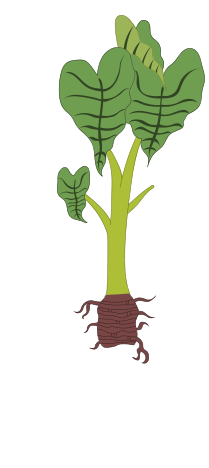
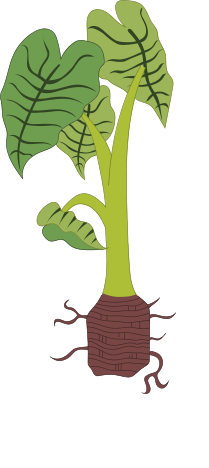
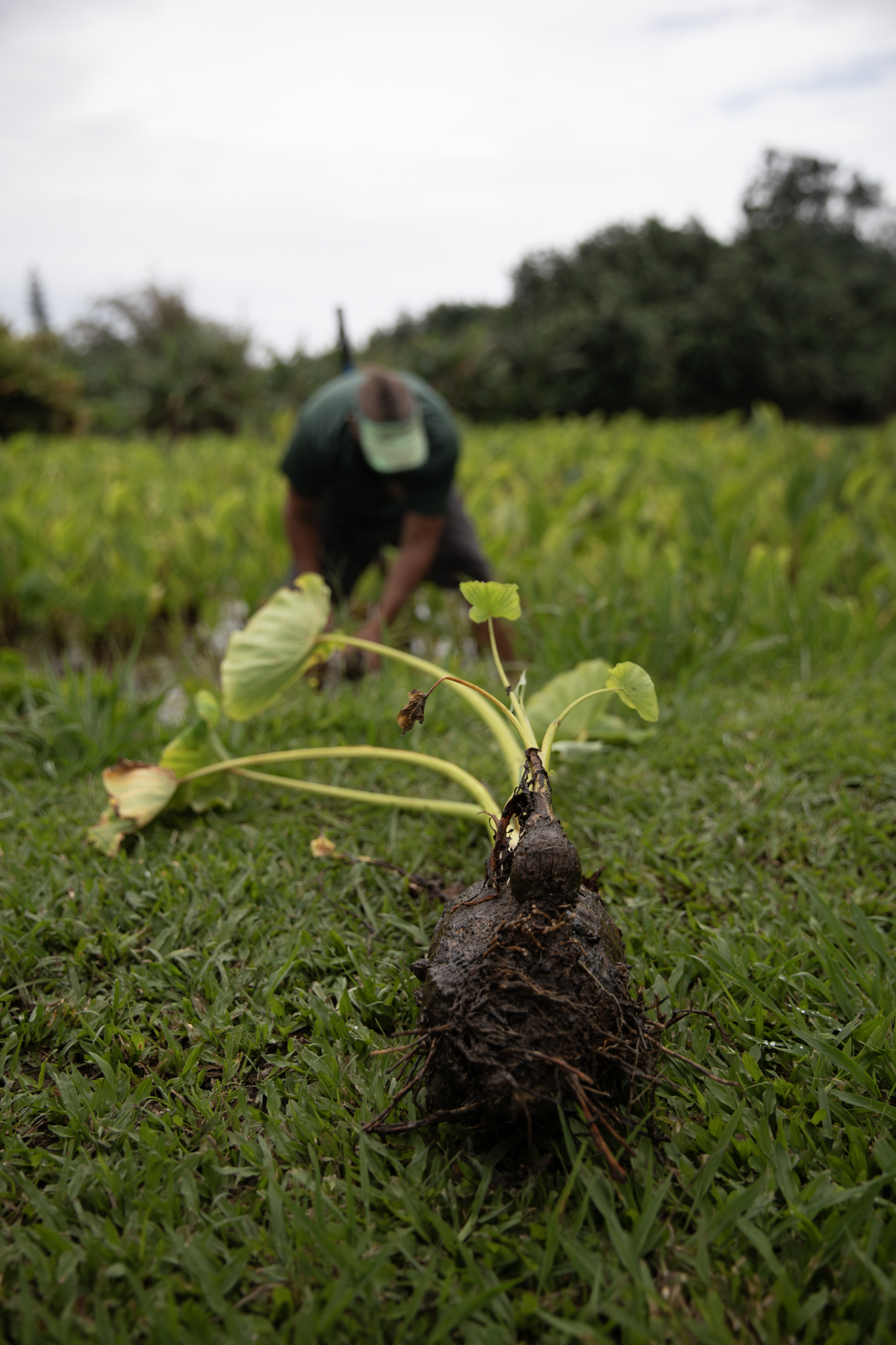
Taro plants begin from within—not a seed. When a previous plant’s corm (the fruit) is harvested, the huli is cut off and replanted. The huli is composed of about the top inch of the corm and a few inches of the stalk above.
It’s often compared to a potato. It's arguably the most traditional food Hawaii has to offer. These kalo farmers occupy their ancestral land, which has been passed down throughout the ages, and in doing so are keeping traditions alive.
“It was a way to make a little money and take care of the family. But the reason wasn't for money, you know what I mean? It was just, it was to make sure that the culture stays alive and the plant stays alive.” Kekiwi said.
Day in and day out, he sinks down to his thighs in the muddy, oversaturated lo’i fields. He uses his crops to make poi, and will then jump in his early 2000s model Toyota Rav4. He will head an hour into Maui’s main economic hub—Kahului where he will sell his poi. The cycle repeats—with family and tending to his community nestled in between.

Jerome Kekiwi Jr. is a kalo farmer in Ke’anae. He is passionate about the health of East Maui’s watershed and pono, or righteous, governance of water resources.
“Without taro, there wouldn't be any Hawaiians,” he said. “Taro is pretty much everything in Hawai’i…alongside with other cultural aspects. But for me growing up, taro is number one.”
Hawaiians have a fraught relationship with food. Before Hawai’i was a state, it was completely self-sufficient. Since the overthrow of the Hawaiian Kingdom, about 90% of food is imported. Taro was a lifeline. It sustained generations of people. Taro farming is seen as a way for the Hawaiian people to regain control over their sustenance, culture and remain connected with the land.
But the ability of Native Hawaiians like Kekiwi to farm taro for subsistence or market crops is in jeopardy. While they control their land, they don’t control the water flow and ability to access it to nourish their crops. The legacy of colonialism expressed through modern laws makes drawing water complicated and puts at risk Hawaiians to control their destiny.
These communities are small. Very small.
They take care of each other—they’re a village. Everyone is seen as family.
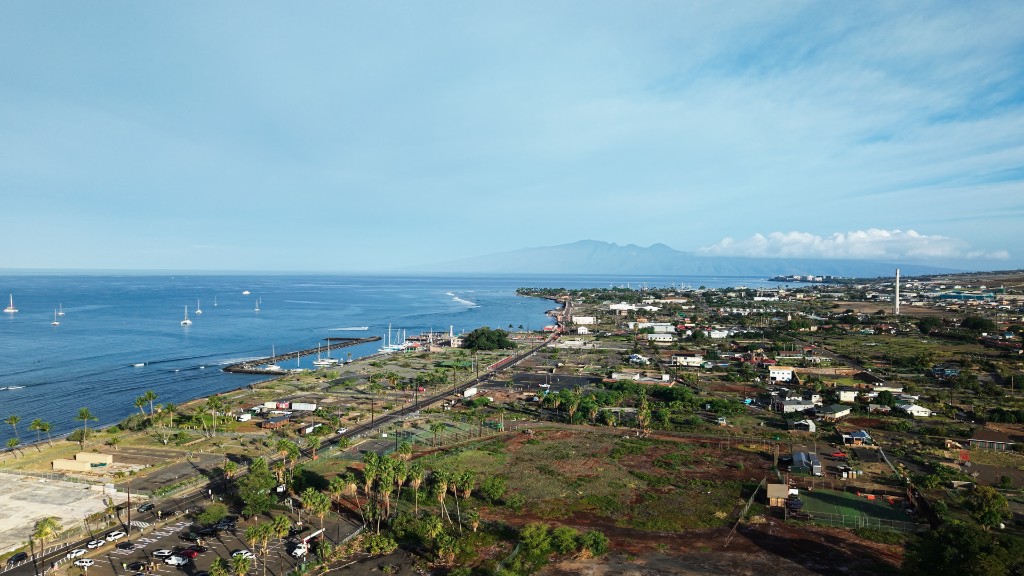
Ke’anae is an extremely small, quaint village along the coastline. It’s not for visitors. Graffiti reads on concrete road barriers display the word “invaders.” It is not a welcoming place—but not because they don’t wish to be. The roots of generational trauma filled with distrust and betrayal run deep ever since the overthrow of the Hawaiian Kingdom.
The 214-square mile section of Maui buzzes with activity of its locals, their ancestors and the living creatures that make up the ecosystem.
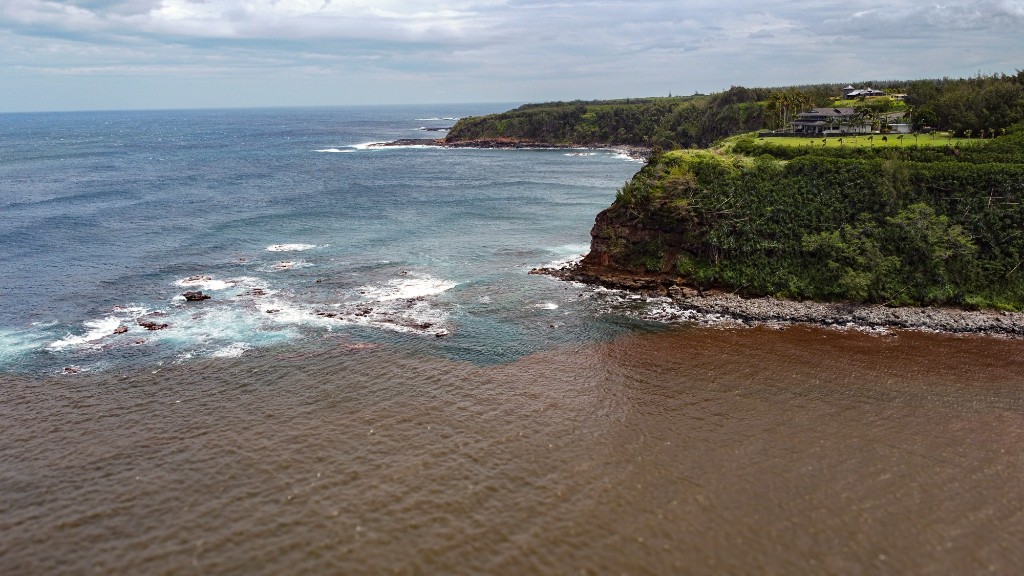
One winding road, the Hāna Highway, is the only way through. It’s two lanes wide—and has two equally sacred views. On one side of the road is a dense jungle with waterfalls scattered throughout. The other side is a view from above of the aquamarine ocean as it crashes upon dark volcanic rocks. Winding through the mountains, pink hibiscus flowers among a sea of green will guide the path.
East Maui is often considered a paradise. But there’s trouble in that paradise. In fact, there has been trouble—for 150 years.
Lo’i kalo relies on the constant flow of water for its production. It is often referred to as a living ancestor of the Hawaiian people.
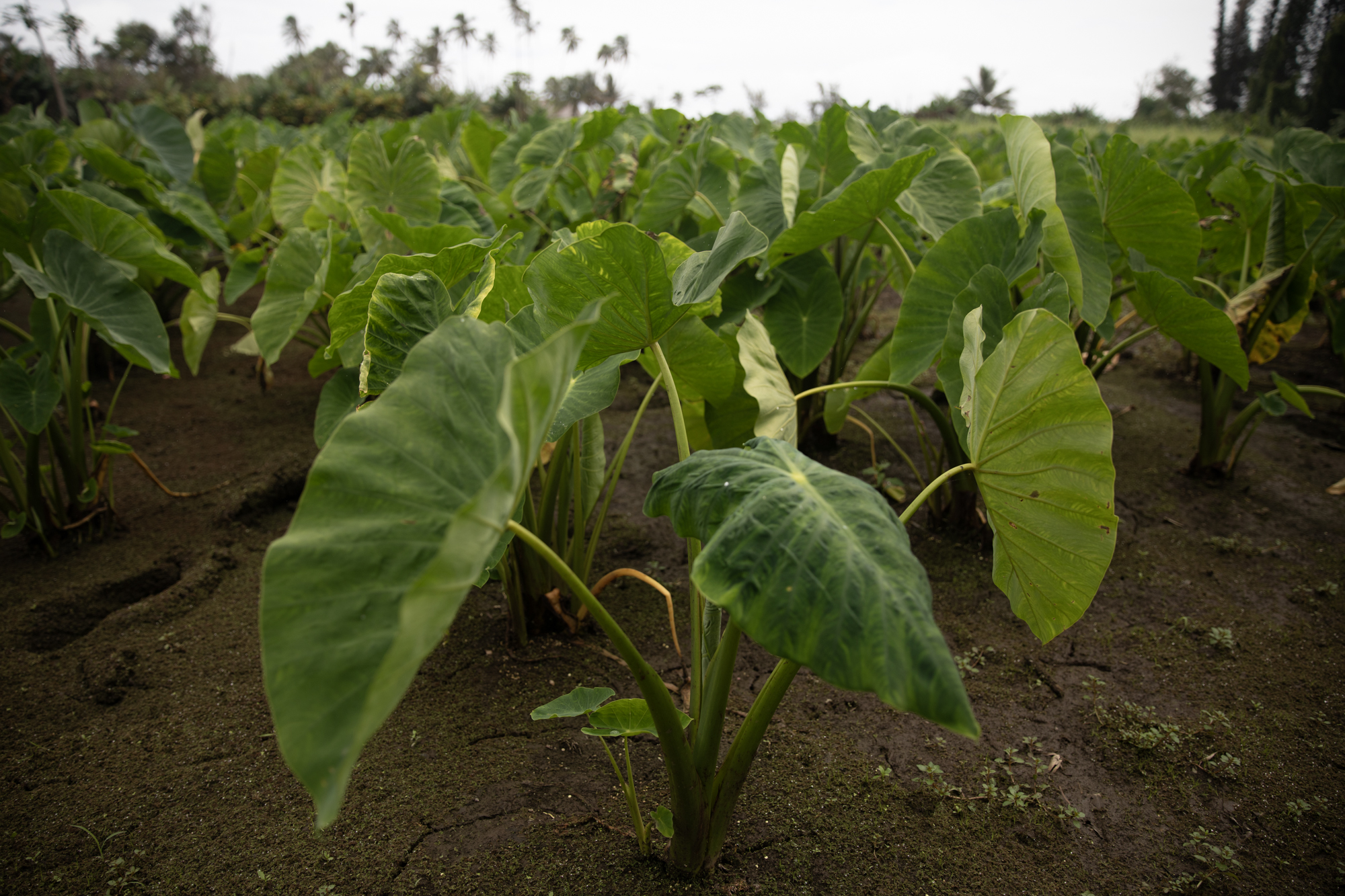
Kalo, or taro, is a staple crop for Hawaiians. It came to the Hawaiian islands as a canoe plant with Polynesian voyagers. Wetland kalo requires constant flowing water (from a nearby stream) into the lo’i to prevent the roots from rotting.
“Ola i ka wai”, is sacred to these individuals. Members of these communities have found themselves amidst a never-ending fight.
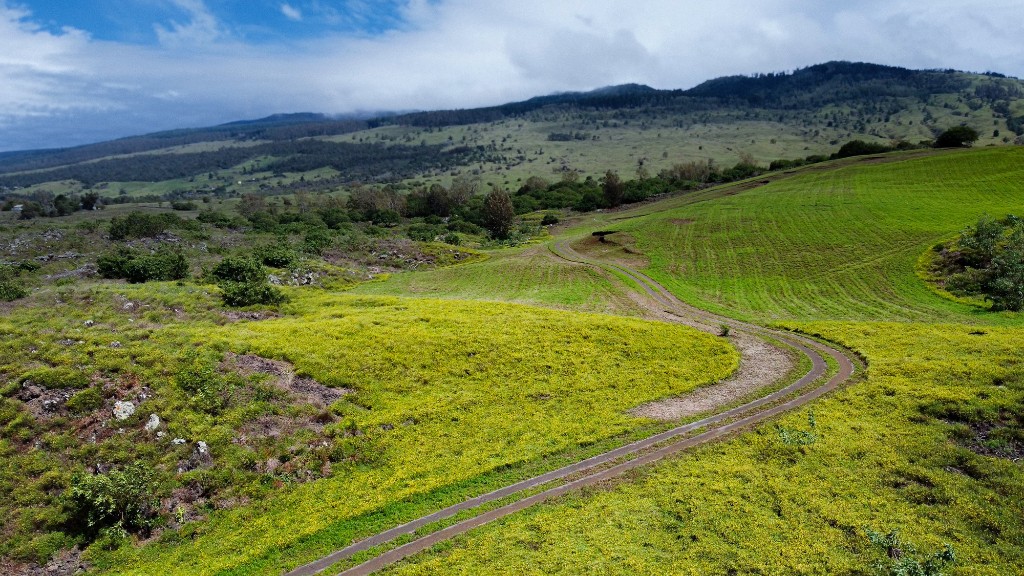
Mahi Pono, a farming company, bought 41,000 acres of old sugar plantation land. The company introduced themselves as aiming to fight food insecurity, which is at the heart of this struggle over water usage.
Originally, this company taking over Alexander and Baldwin’s land was viewed as the best thing that could happen to the island. They marketed as though they were there to fight food insecurity — even though 93% of their crops are exported citrus products. Very little goes to the island itself.
Mahi Pono is currently aiming to take control of East Maui’s stream water stripping the locals rights to their water.
The catch — Mahi Pono isn’t even a Hawaiian company. In fact, they aren’t even American. Mahi Pono is owned by a Canadian pension funded by Canadian tax dollars — and most Canadian citizens have no idea.
Ke’anae is just one of four native communities that are affected by the water crisis. The other three communities directly affected are Huelo, Nahiku and Honomanu.
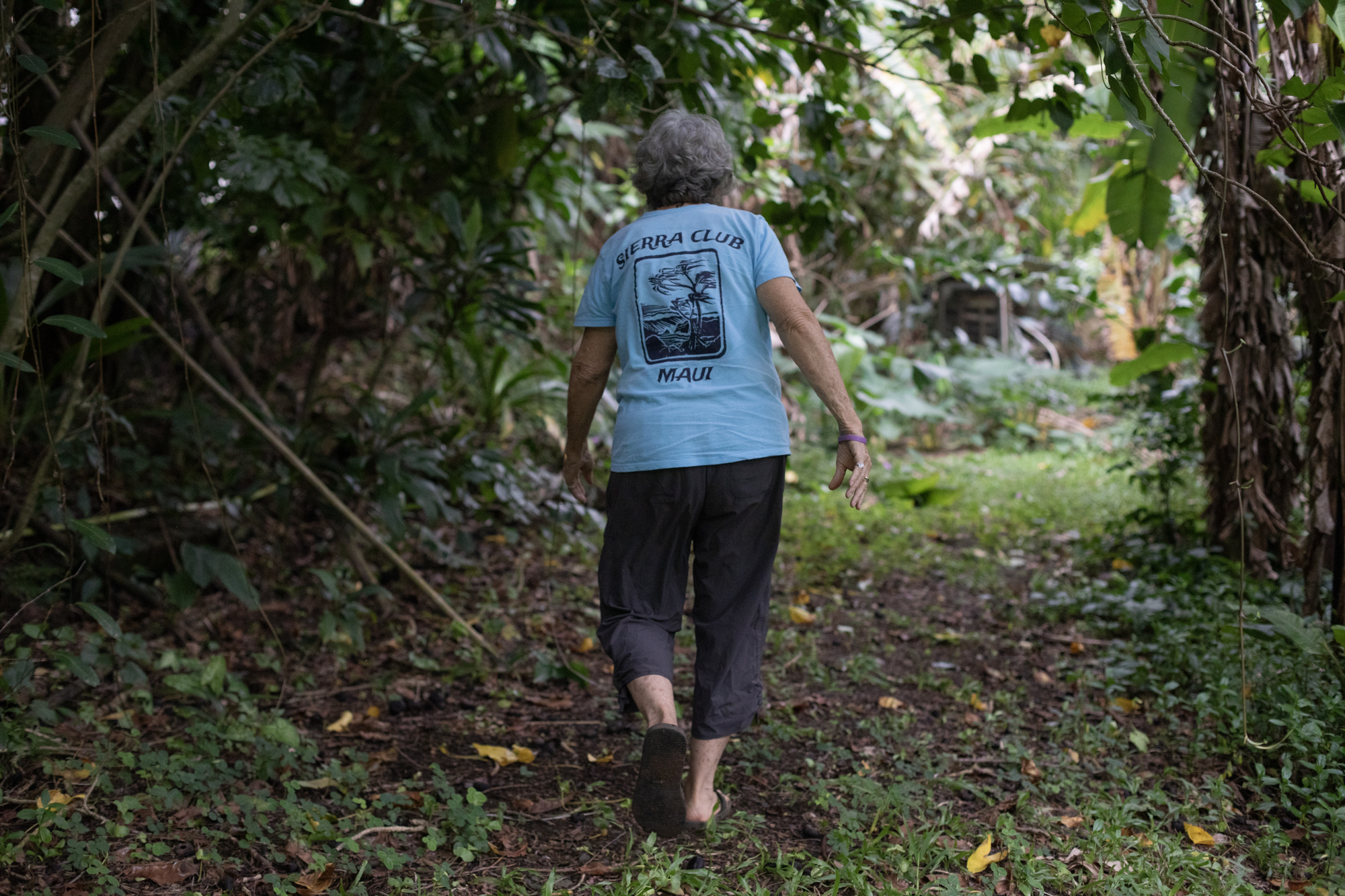
Lucienne de Naie is the president of the Maui branch of the Sierra Club, a national environmental organization that advocates for conservation and protecting natural spaces. De Naie documented large portions of the island’s streams over the years.
Local historian and Huelo resident Lucienne de Naie has been involved in the water fight since she moved to the island in 1985.
“They [the locals] showed me a lot of aloha,” de Naie said. “That got me feeling like I should try to do something about the people here, they had no public water supply — all their water was being taken by a large corporation [diversions by Alexander & Baldwin].”
Although de Naie uses well water, the California native has devoted her entire life to the care and well-being of the island — especially the right to water.
“The state, who was supposed to be the referee, stood on the sidelines and never really knew what our story was,” de Naie said. “What I've done over the last 40 years is just try to tell the story myself, try to support other folks to tell the story.”
During a community meeting about the right to water in the early ‘90s, the state repeated it again about riparian, appurtenant and kuleana rights. It wasn’t until one elderly farmer came up to her —- what he said radicalized her.
He's scratching his head and says, ‘I like what I'm hearing these guys say, but I can't figure out why if I get this right and that right and that right, he goes, how come all the water goes into A&B's ditch? I get all the rights and they get all the water,’” she recalled. “I don't know, it struck something in me, this sense of justice.
These small local farming communities have relied on their right to access the freshwater stream system since its creation in 1876 by Samuel T. Alexander and Henry P. Baldwin.
Prior to 2018, there were no set stream flow standards. This meant that A&B were able to manually divert the water through their ditch system they originally created through methods of grates and gates.
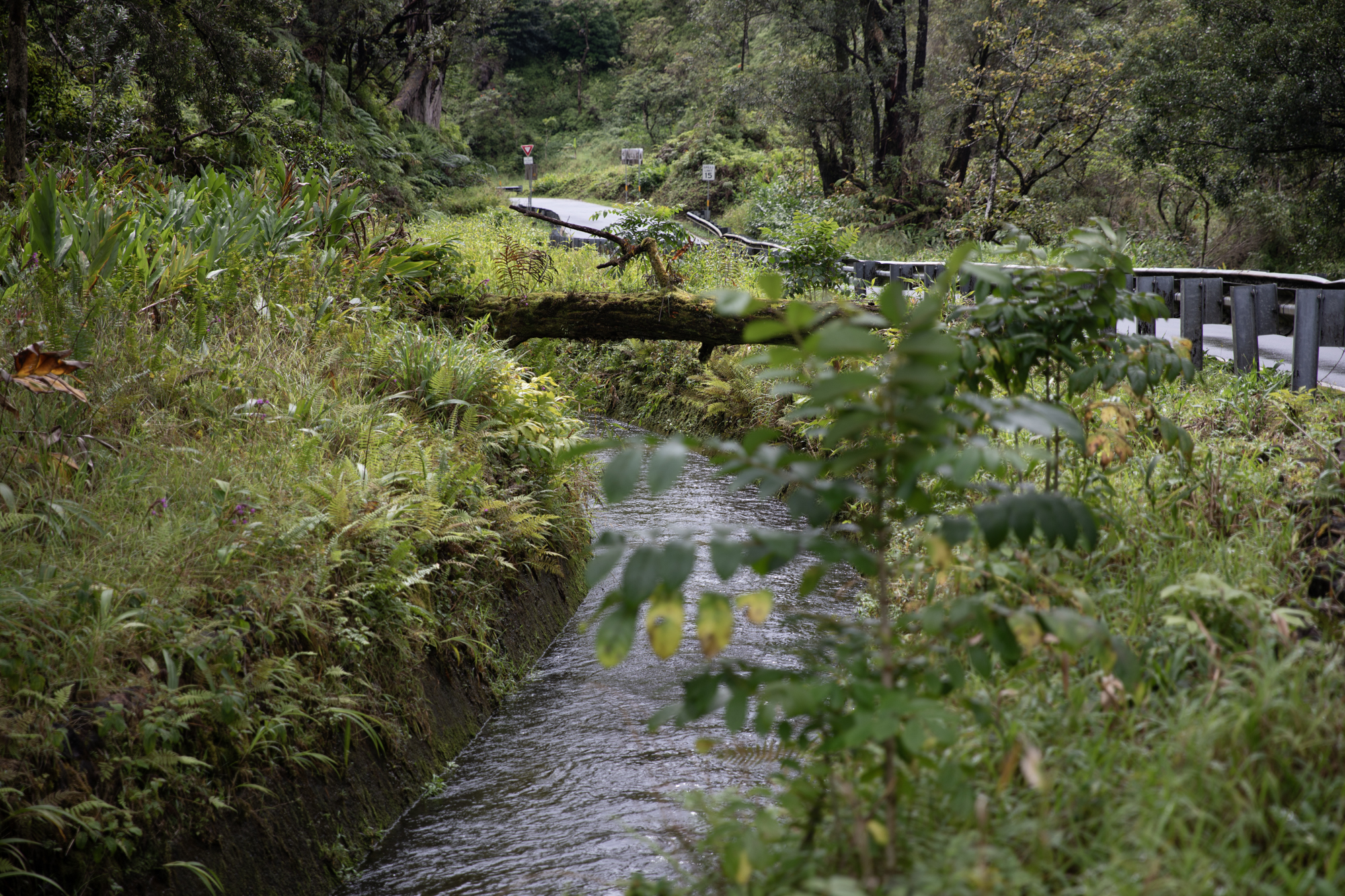
This is one of East Maui Irrigation’s ditches taking many gallons of water towards central Maui, where it is used for residential and agricultural purposes. Upcountry Maui relies primarily on surface water from East Maui’s streams. Mahi Pono acquired EMI in 2025.
This alone was detrimental to the amount of water these communities were receiving.
Hawaiians had the rights to the water, but not the ditch systems in which the water flowed.
As a member of the Sierra Club, de Naie is accustomed to the area that the watershed runs through. She knows how they work, how they look and how they’ve changed over the years.
“I've been taking pictures of them for almost 30 years” de Naie said. “Because of that, I've been an expert witness in all of these East Maui water cases on the topic of recreational use… the folks from Ke‘anae, Wailua Nui, the taro farmers from Huelo, they definitely have the ultimate knowledge on how the stream flows affect their crops.”
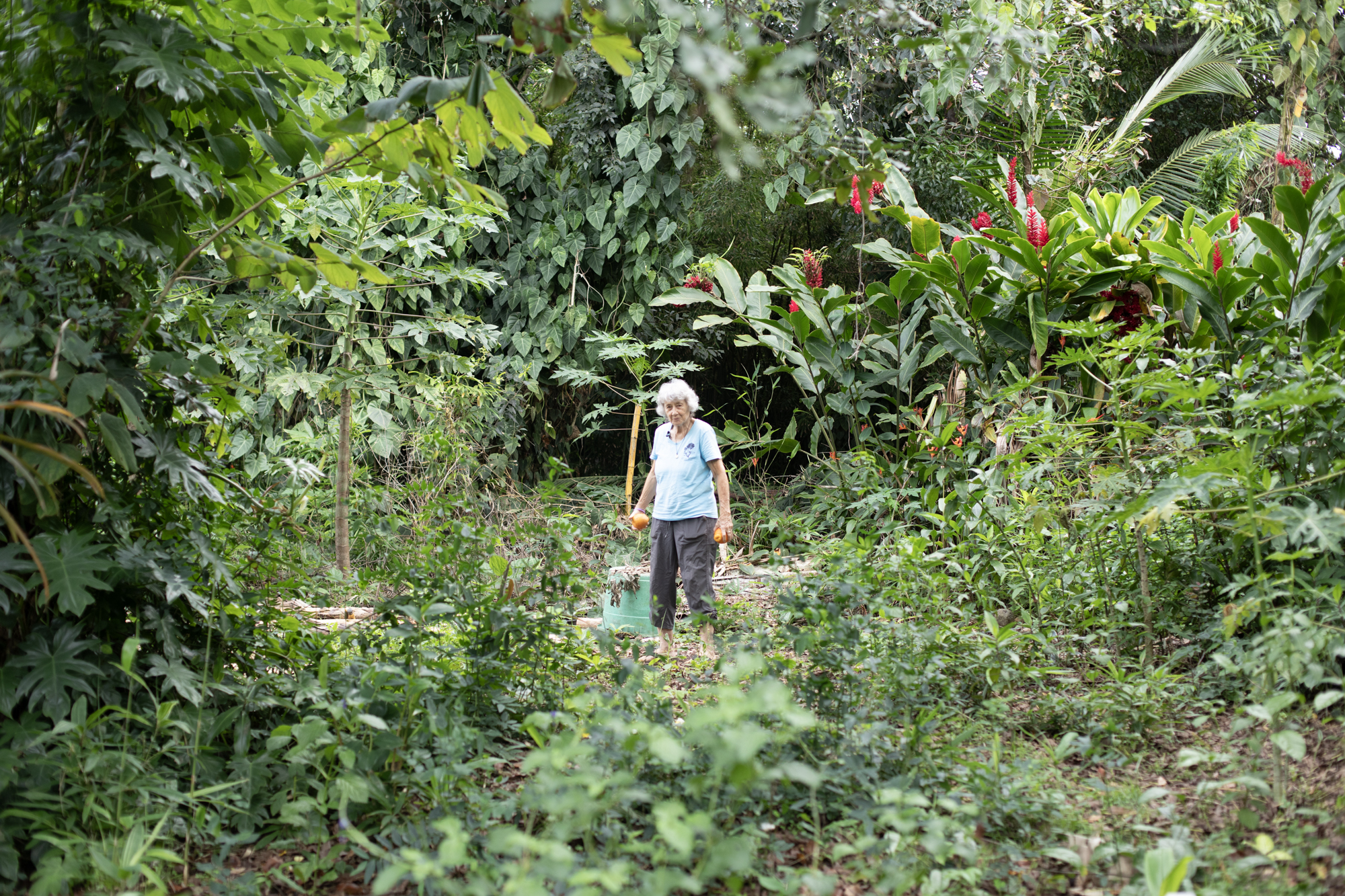
“To farm morally” is the translation of Mahi Pono. The foreign company that is attempting to take control of the Hawaiian water supply is supposedly all about good morals. The irony is not lost on Hawaiians.
Their goal is to gain control of the East Maui watershed and be able to regulate the usage for all farms — including Mahi Pono. In May, a court hearing will be held to decide the future control of East Maui streams.
“If they do acquire the long-term lease to extract our water resources from East Maui, then I believe there’s going to be an uprise with our people,” Kekiwi said.
“This is our kuleana for this special place that we can call home,” Kekiwi said.
If Mahi Pono acquires the water system, members of the community will lose their ancestral right to the water that is theirs, both by Crown Land and constitutional rights. Crown Lands were created by King Kamehameha III when he crafted Hawaii’s first constitution in the 1800s.
He is credited with the phrase that became Hawaii’s state motto: Ua Mau ke Ea o ka ʻĀina i ka Pono. He granted all sectors of people the right to own the land of their ancestors.
It no longer was the land of who was on the throne — but it was the people’s.
“We should be the ones allocating the water to the corporation,” Kekiwi said. “The county, the residents—that's what a lot of people don't understand.”
Hawaii water laws originate from kānāwai — which were codified in early laws of the Hawaiian Kingdom.
Some of the earliest Hawaiian laws define water as a public trust, for all to use equally, and to keep things pono.
The same rights are preserved today in the Hawaiian State Constitution.
These laws were made to protect and support streams. They are supposed to guarantee that the streams have adequate water flowing through them to support the cultivation of healthy crops, especially farming in loʻi, as well as household uses,customary uses and general environmental ecosystem protection.
“We make sure everything is pono, righteous, fair to everybody,” Kekiwi said. “You get water, I get water, we all get water, because we're sure that there is enough for all of us to share.”
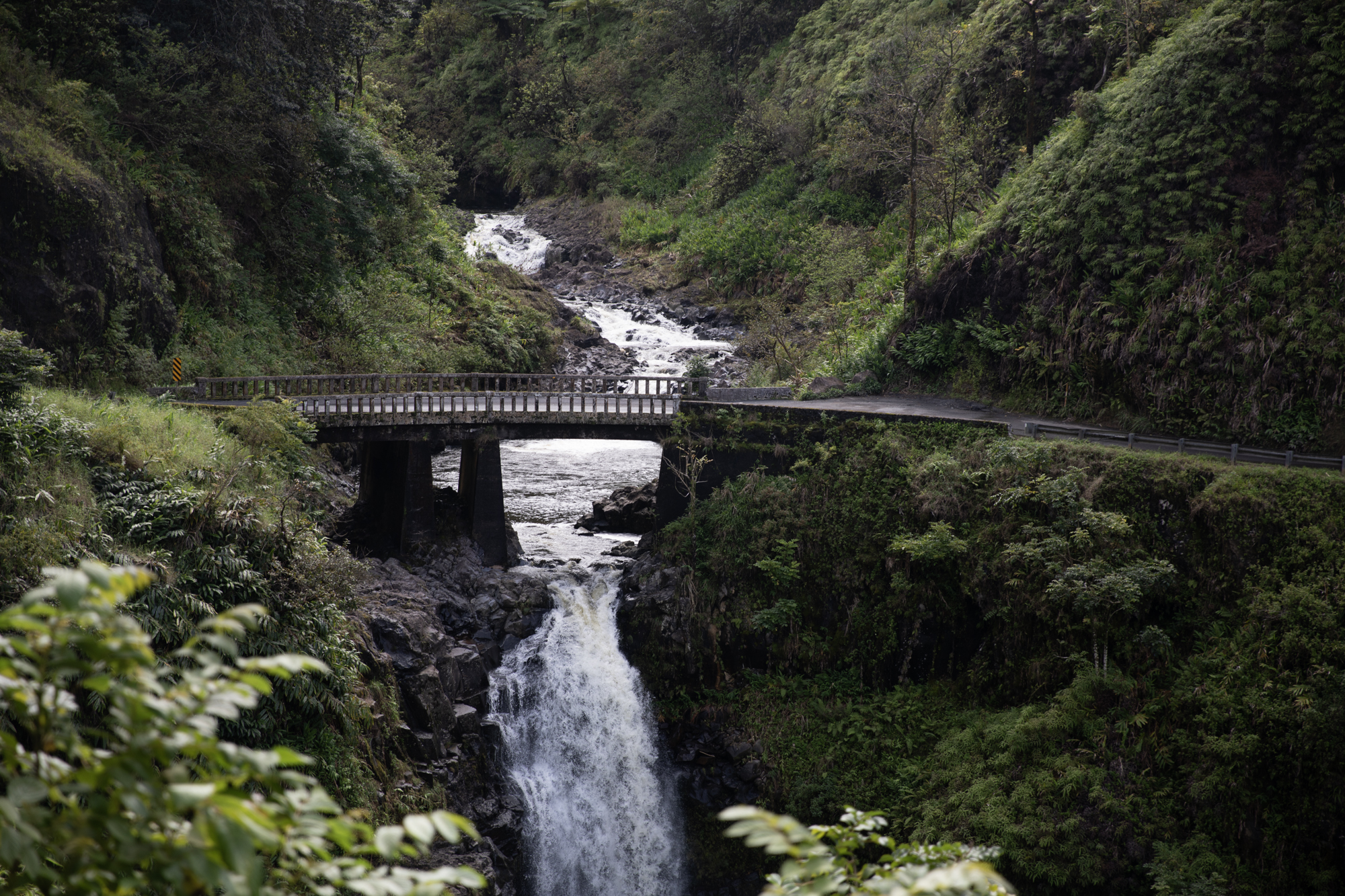
In 2022, members of East Maui voted to create and establish the East Maui Water Authority, which is accompanied by a board of members from communities throughout East Maui. The department launched in 2024.
Their goal is simple: gain control of the East Maui watershed. If they gain control, they will be the primary point of water delegation.
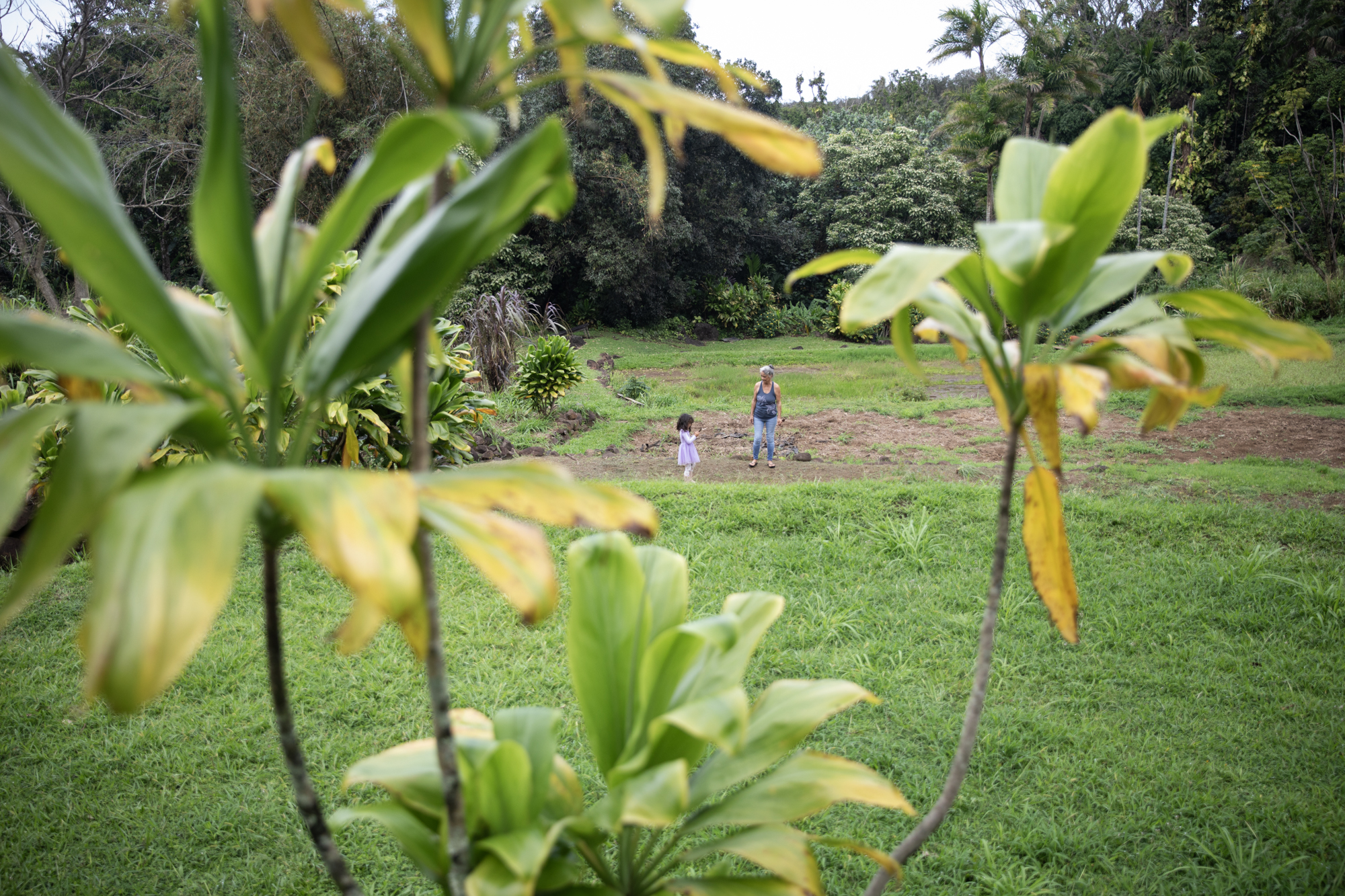
“What we're doing is a new approach to county government where it's really community-led,” EMWA Director Gina Young said.
The EMWA’s new motto reinforces what it means to protect the land: “Here indeed is Heaven reflected on Earth, it is for all of us to Protect, Preserve and Sustain”.
“I'm trying to support the next generation, not just my team, but I try to do education and talk with younger people and try to get them to understand what we're doing, because they're the next caretakers,” Young said.

Gina Young is the director of East Maui Water Authority, which is working to acquire the East Maui Irrigation systems currently owned by Mahi Pono. EMWA’s goal is for these water systems to be owned and operated by the county.
To Hawaiians, rain is tears from the heavens that cry in gratitude for the way that the people take care of the land.
“What I love about the Hawaiian culture is that, they call it kuleana, that responsibility to care for your environment is ingrained into their culture,” Young said.
The rain flows down the Kūlanihākoʻi which is on the back side of the Haleakalā volcano. When the tears come down, it fills the Kūlanihākoʻi like water into a bowl.
“We're trying, with our watershed, to bring economic benefit there, so that people can move back with their families and carry that on and have a sustainable lifestyle,” Young said.
That is the East Maui watershed in both literal and spiritual terms.
“My biggest hope is that we just keep going and the taro still grows, the water still flows, and people can come back home and take care of these lands,” Kekiwi said.