OCEAN
Just off Maui’s southern coastline, a group of divers slips beneath the waves near La Perouse Bay at 6:30 a.m., descending slowly toward the ocean floor. Sunlight filters through the clear blue surface, illuminating coral that stretches across the reef below. At first glance, the coral looks vibrant and intact.
But as they move closer, the damage comes into focus.
Thin strands of fishing line stretch across the reef, some spanning tens of feet. Bundles of dull gray lead weights rest on the broken coral, anchoring the line in place as currents pull it tighter.
This debris is what they’ve come to remove.
Careful not to cause further damage, the divers work slowly, cutting the line free piece by piece.
Back on the boat, the debris piles up in a heavy, tangled heap of soaked fishing lines, hooks and lead weights.
Much of it comes from nearshore fishing activity in Hawaiian waters. Without consistent regulation or recovery systems, lost gear accumulates over time, settling onto reefs or washing along the shoreline.
“Last year, we removed 12,000 pounds of fishing debris out of Hawaiian waters,” said Brianna Simon, a conservation and outreach manager at Pacific Whale Foundation.
On the surface and back on shore, bright greens and blues drift in the water.
A “ghost net” that has traveled thousands of miles to end up here.
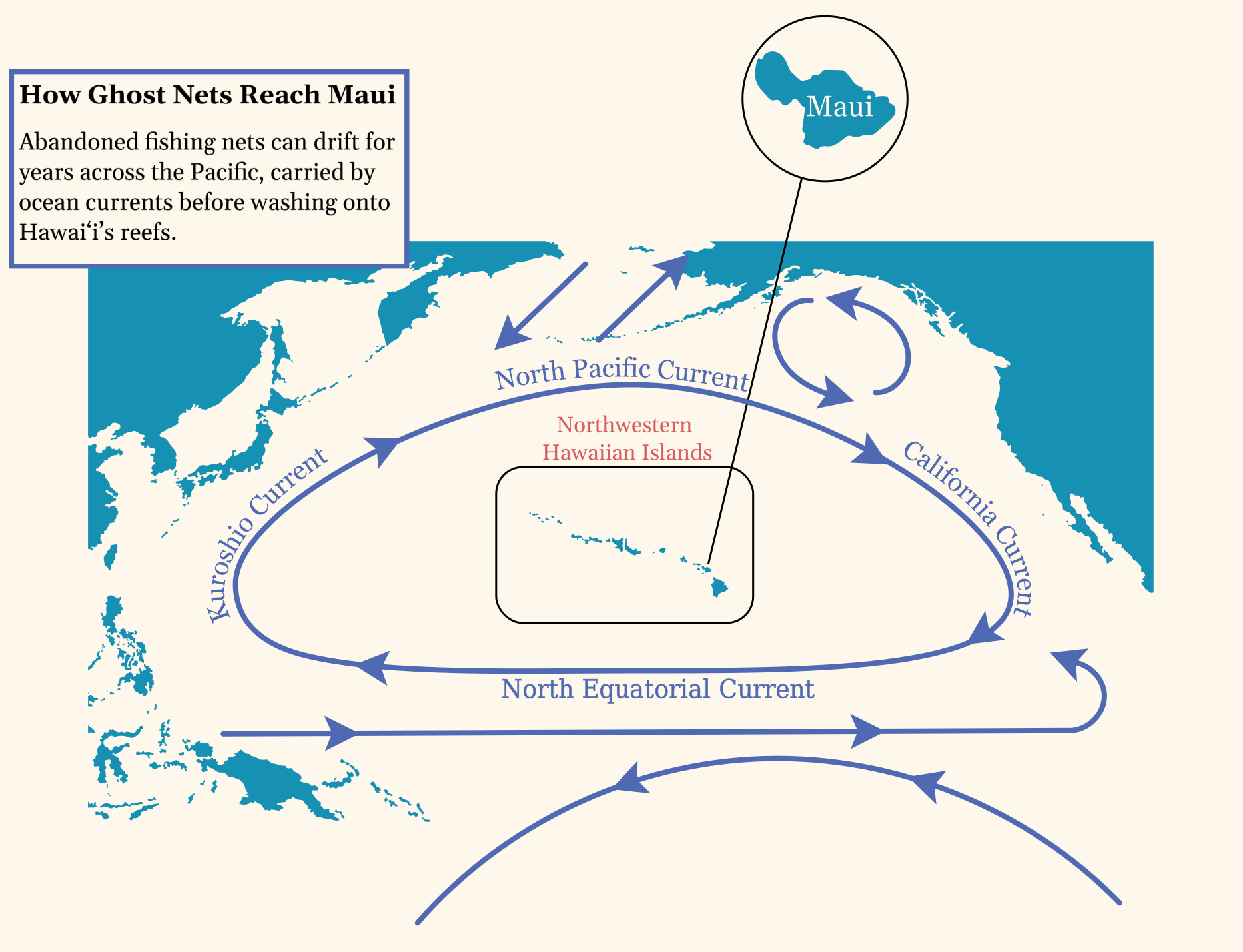
Ghost nets, abandoned plastic-based fishing nets, can drift across the Pacific for years before washing onto coastlines or snagging on reefs. Often originating from large industrial fishing operations in Asia and the open ocean, they are carried east by powerful currents that funnel debris into the North Pacific. Along the way, they collect more material, growing heavier with debris as they move.
By the time they reach Hawaii, these nets can stretch for hundreds of feet, trapping marine life and crushing coral ecosystems beneath their weight.
On Maui, conservationists like Michiko Smith work to remove that debris when it arrives.
“A couple of months ago, I had to go on the reef and grab the net off the rocks and swim it through, hoping it wouldn’t sink and drown me,” Smith says.
Smith, a Lahaina-born conservationist, partners with local nonprofit groups and the Pacific Whale Foundation to collect and ship recovered nets to O‘ahu for disposal.
Pacific Whale Foundation, a nonprofit that conducts marine research, conservation programs and educational ecotours across Hawai‘i, has led many of the island’s marine debris removal efforts.
But for Smith, the work doesn't end when the nets are removed.
Instead, she sorts through bundles of recovered ghost nets, cuts them apart, cleans them and transforms them into art.
“The purpose isn't to make art,” Smith says. “The purpose is to make sure the ocean is clean for the next generation.”
Smith’s efforts reflect a larger conservation movement across Maui involving a growing network of scientists and community volunteers working to protect and restore the island’s reefs and ocean life. These efforts are rooted in a shared understanding that what happens on land eventually reaches the ocean. Without intervention, scientists warn that sediment runoff, pollution and warming waters could accelerate coral reef decline across Maui, threatening the island’s coastline, fisheries, and a marine ecosystem that has shaped Hawaiian culture for generations.
Ghost nets and fishing debris are just some of the many threats facing Maui’s coral reefs, which are increasingly strained by climate change, sediment runoff pollution and tourism pressure. A 2022 study by researchers at the University of Hawaiʻi at Mānoa, published in PLOS Biology, found that most reefs could face unsuitable conditions by 2055 as ocean temperatures rise and environmental pressures intensify.
The loss of these reefs would ripple far beyond the ocean floor. Coral ecosystems protect Maui’s coastline from storms, support fisheries that feed local communities and sustain marine species that anchor the island’s tourism economy.
Scientists say the warning signs are already appearing higher in the food chain.
At the Pacific Whale Foundation, Chief Scientist Jens Currie and his team study the health of marine ecosystems across Hawai‘i and the Pacific. In recent years, their research has documented steep declines in key species such as dolphins, including a 70% drop in bottlenose dolphins and a 40% decline in false killer whales in Hawaiian waters.
Those losses, Currie says, are not happening in isolation.
“They’re indicators of a larger ecosystem issue,” he says.
From food shortages to pollution accumulating in the marine food web, the pressures facing these animals reflect the same forces straining coral reefs below them. For species that feed in Hawai‘i’s nearshore waters, toxins can build up over time, prey can become less available, and reproduction can slow, making it harder for populations to recover.
Programs like Pacific Whale Foundation's Marine Debris Rapid Response initiative remove invasive debris from Maui Nui’s waters, while other efforts focus on restoring reefs, monitoring water quality, and educating both residents and visitors about their role in the ecosystem.
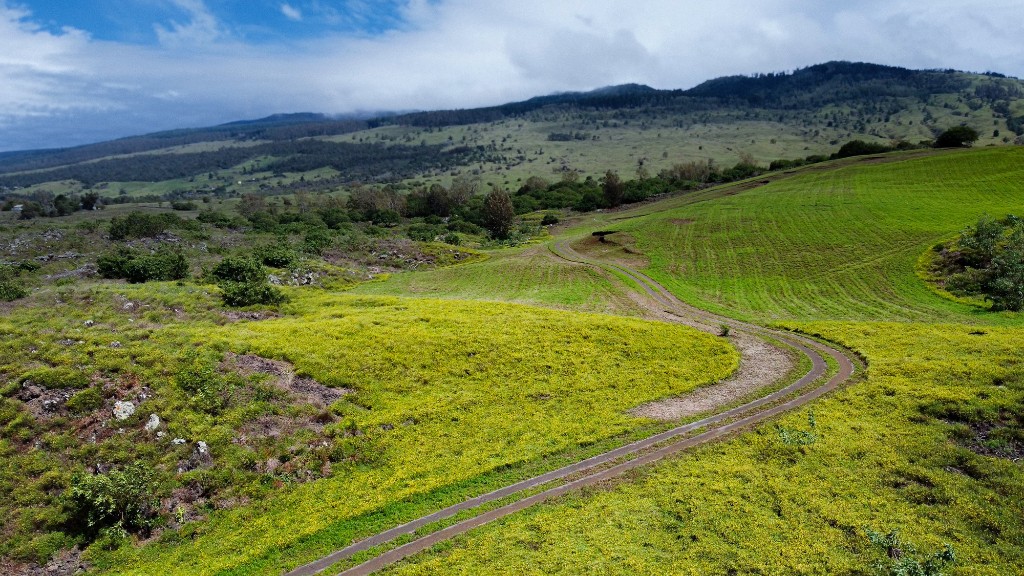
Across Maui, volunteers with the Pacific Whale Foundation and the Hawai‘i Department of Land and Natural Resources Division of Forestry and Wildlife are working to restore both land and sea. From Māʻalaea to Olowalu, efforts include removing invasive weeds, cleaning up debris, and planting native species. This work reduces wildfire risk, protects cultural and scenic sites, improves public access to trails and limits stormwater runoff and erosion.
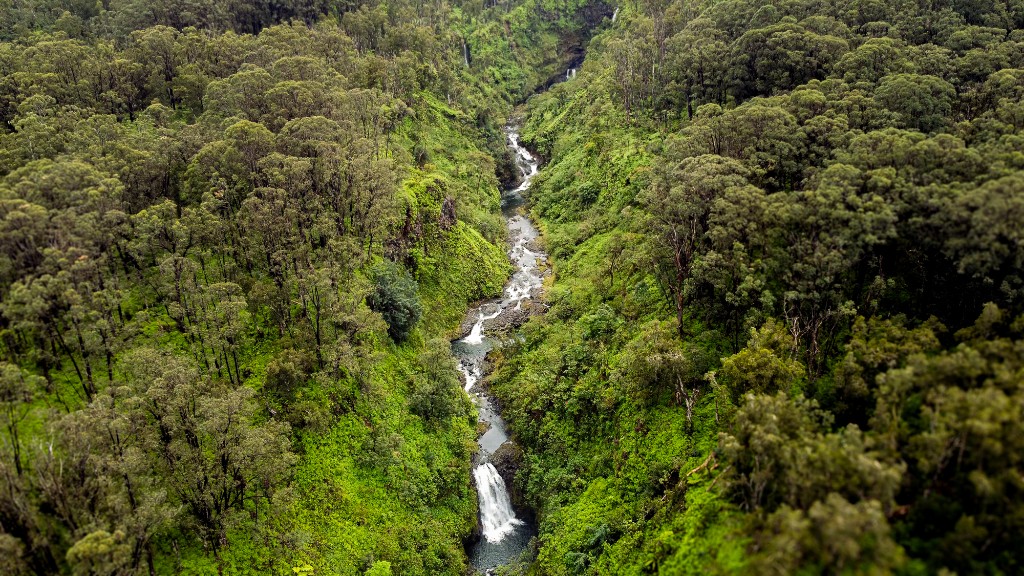
Mud and sediment rush down the mountainsides, through gulches and streams, and spill into the ocean, affecting coral reefs that protect Maui’s coastline and sustain marine life.
At Pōhakea, the volunteer site next to Mā’alaea harbor teems with effort. Tourists and local volunteers dig into the red earth, pulling weeds and carving holes for native trees that won’t reach their full height for five to 10 years. Gloves are caked in soil, shovels scrape against roots, and saplings sway gently in the morning breeze.
“Taking care of the ocean begins on land, and with community,” Simon says. “The best time to plant was a decade ago, but the second-best time to plant is today.”
Each tree planted is a quiet investment in the future, a living link from the mountains to the sea, and a reminder that land stewardship and ocean health are inseparable.
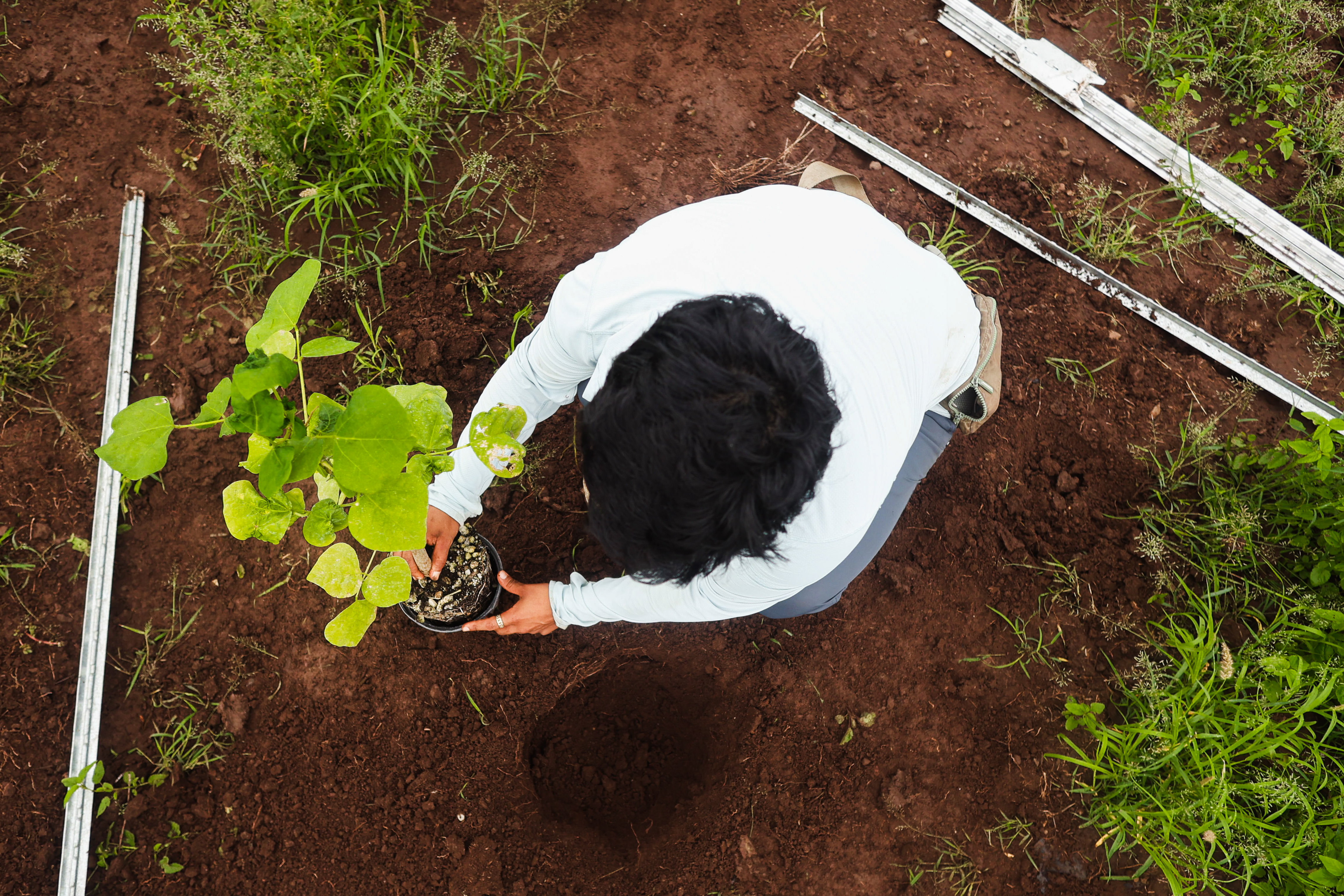
Local volunteer Sandy digs and plants native trees at Pōhakea, the volunteer site next to Mā’alaea harbor. Sandy’s efforts are a part of a “Reef to Ridge” restoration effort that focuses on planting indigenous grasses and trees to prevent sentiment runoff into the harbor.
Taking care of the ocean begins on land, and with community,” Simon says. “The best time to plant was a decade ago, but the second-best time to plant is today.
Across the island, scientists, conservation groups, and volunteers are working together to restore these fragile ecosystems, remove debris, and monitor marine life. Community-led conservation may determine whether Maui’s reefs, and the culture that depends on them, can survive the decades ahead.
“This data can hopefully impact decision-making and how we protect our coastlines and all the things that happen on land,” says Dana Okano from Hui O Ka Wai Ola, Maui Nui Community for a Clean Ocean, emphasizing the crucial link between land management and ocean health. The “Clean Ocean Team” collects ocean water samples across West and South Maui, analyzes them in the lab and logs the results, giving the community a clear picture of what’s in their coastal waters.
“Conservation is both environmental and cultural. One cannot exist without the other,” says Ka‘apuni Aiwohi, cultural integration manager at Pacific Whale Foundation.
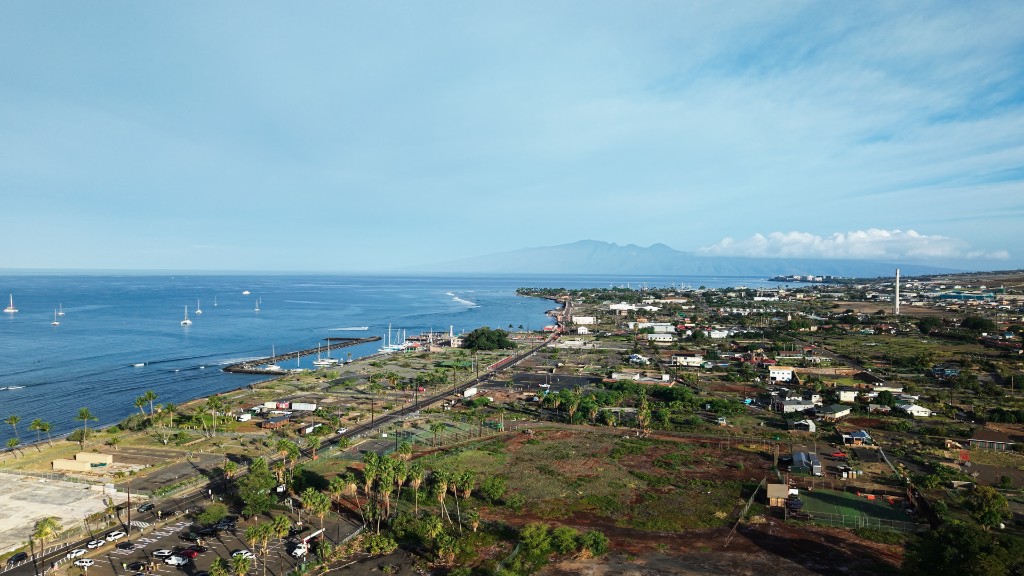
As the island’s coastline has changed, so too has the relationship between people and the ocean.
“The big thing is the disconnect of being part of the ocean community. Before it was just second nature,” Aiwohi says.
Where once families lived near and relied on the ocean, today much of Maui’s shoreline is dotted with vacation homes and recreational visitors. People who may never witness the impact of their actions on reefs and fisheries.
“It’s very easy to care for a place when you actually live there,” Aiwohi says.
For Aiwohi, cultural ceremonies like Kapu Kai, which honor sacred parts of whales, reinforce that connection.
“Everything is connected,” he says. “When we honor the ocean, the reefs, and the whales, we honor ourselves and our ancestors.”
Pacific Whale Foundation emphasizes the balance between science and culture. Currie says, “It’s about having a reciprocal relationship with the ocean and its inhabitants. We take in terms of research and tourism, so we also need to feed that relationship.” Blending Western science and Hawaiian cultural knowledge can be done respectfully, ensuring both cultural traditions and scientific understanding are valued.
Together, these perspectives underscore that caring for Maui’s reefs is more than a conservation effort; it’s a cultural practice, a community responsibility, and a way to sustain a connection that has existed for generations.
On a Pacific Whale Foundation tour boat just off Maui’s coast, passengers scan the horizon as naturalists explain whale behavior, migration patterns, and the health of the marine ecosystem. For many on board, it’s their first time seeing a whale.
Claire Gerdes, a volunteer naturalist working the past five months, sees these tours as more than animal sightings.
“There’s a unique ability to build that connection and bridge people to them,” Gerdes says.
The tours are a way to connect people to the ocean while fostering understanding of the ecosystems they rely on. That connection is central to the foundation's work. Through its ethical ecotours, Pacific Whale Foundation combines wildlife viewing with education and research, fostering a deeper understanding of marine ecosystems and the challenges they face.
But not everyone agrees with intervention.
Benny Yamamoto, a longtime Maui fisherman who grew up casting lines along the island’s rocky shoreline, says the reef has been declining for decades.
“I blame men for killing the reef,” he says. “Growing up, the seaweed was thick and green. Everything was beautiful. Now you go to the beach and it’s barren. Everything is dead.”
Years of storms, climate shifts, and human activity have left him seeing soil wash from the mountains into the sea, suffocating coral and scattering fish.
For Yamamoto, the solution is simple: leave the ocean alone.
“Sometimes the best way to protect it is just to step back,” he says. “Leave the whales alone, man. It’s all about the industry and how money is disturbing them.”
Yet he doesn’t retreat entirely. Yamamoto mentors younger fishermen, teaching them to harvest responsibly, limit their catches, and protect what remains.
“You’ve got to pass your knowledge on. Show the next generation how to fish, how to care for the reef.”
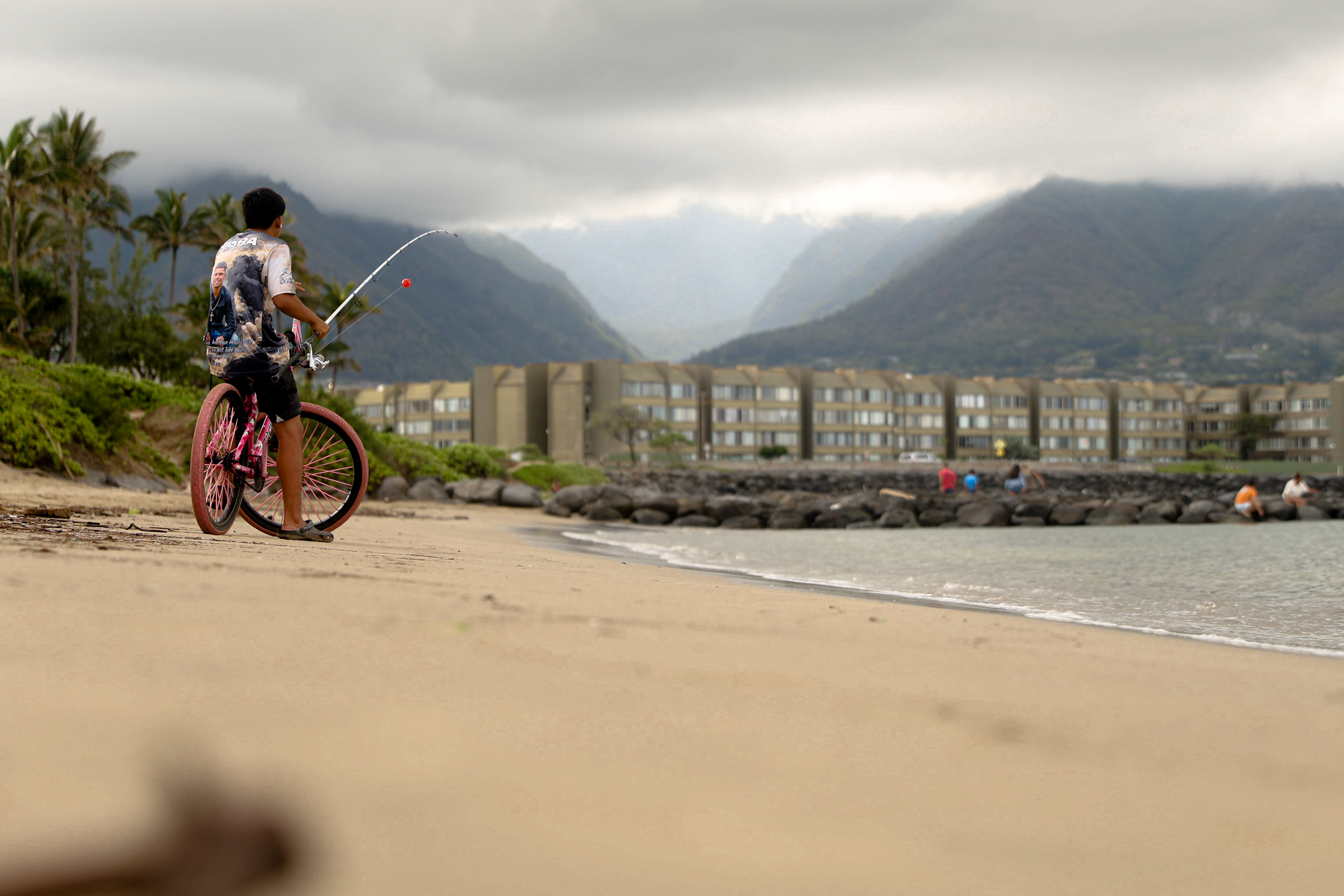
A young boy overlooks the Maui beaches from his bike after fishing up and down the shore. Fishing serves as a way of life, food, and entertainment to people of all ages on Maui.
Protected areas show what’s possible when regulations, monitoring, and community care align. Molokini Crater, a Marine Life Conservation District where fishing is prohibited, allows the ecosystem to flourish, says Debra Merrill, regulatory manager for Pac Whale.
Jens Currie, the foundation’s chief scientist, adds that monitoring fisheries and bycatch is equally crucial. Dolphins stranded with fish hooks and scars reveal the hidden impacts of commercial fishing.
“Our next step is better monitoring of fisheries through electronic tracking and accurate reporting of catches,” Currie says.
Conservation also extends to education and community engagement. At Maui Ocean Center, volunteers and researchers monitor coral health, explore heat-tolerant species, and educate the public.
“We operate with one goal in mind: to foster understanding, wonder, and respect for Hawai‘i’s marine life, and help protect it for future generations,” says Tessa Schuckert from the Coral Nursery.
These programs reinforce that reef protection is as much about community engagement as science. The human connection reaches into tourism, which drives roughly 80% of Maui’s economy. PWF volunteer specialist Kaitlyn Cole and education specialist Lauren Spencer emphasize responsible engagement.
“There’s a way to do tourism responsibly,” she says. “When visitors come with an open heart and a willingness to learn, or being mindful of their choices, focusing on being sustainable, and giving a day to volunteer and give back. That’s a beautiful thing.”
Education and stewardship connect land and sea, volunteers and visitors.
“Service to the community connects it all,” Spencer says.
Cole adds, “Even though we are here to protect the ocean, we are really here to protect the island. We’re in alignment with nature because we are part of nature.”
Community awareness also drives advocacy. Michiko Smith’s company, Rebel Hawaii, is a collective of local wahine educating the public on reef-safe sunscreen to protect Hawaiian reefs. In 2018, Hawaii passed Act 104, which prevents Maui from selling or using chemical sunscreens containing oxybenzone and octinoxate, chemicals linked to coral bleaching and DNA damage. Smith’s efforts tie culture, science, and stewardship together, showing that small actions on land can ripple across the ocean.
Barefoot in her studio, headphones on and backwards cap low, Michiko Smith wears her pink and yellow tie dye merch: “Nobody likes your spray-on sunscreen” @rebelhawaii.
The faint hum of the Ryobi jigsaw fills the room as its citrus-green blade slices through brown wood, carving the delicate inner outline of a fish. Around her, fragments of ghost nets, tangled and stained, hang on a clothesline like sea-worn laundry. She threads them into the piece, hot-gluing fibers to form the fish’s scales.
Smith sets aside her fish project to carve out a large, striking piece for the April Art of Trash show. A vibrant blue and orange floral masterpiece she calls Bird of Paradise.
On the island of Maui, where the mountains feed the sea and the sea shapes the culture, protecting the reef has become more than conservation work. It is a promise to future generations.